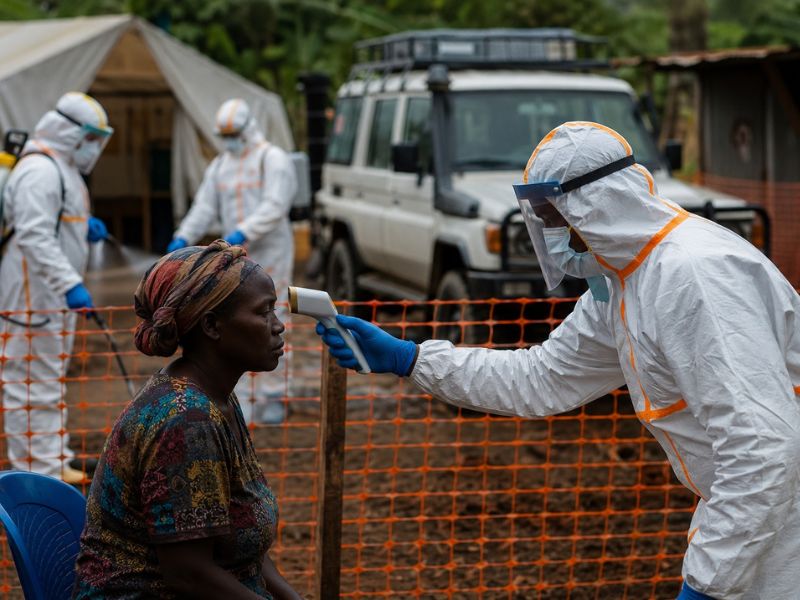


Patient monitoring systems have become an important tool to improve healthcare. The advancement of technologies allows to perform activities that were unthinkable till recently. Remote data access allows health care professionals to closely monitor patients and react in real-time.
These new technologies bring in new challenges related to communication with patients. The entire paradigm of treatment has changed and patients need education and guidance. In this context, clear communication becomes an essential tool to leverage technology.
Understanding patient monitoring technologies
Patient monitoring technologies have revolutionised healthcare. Applications range from clinical to personal health. In medical settings they allow monitoring vital signs for immediate health assessment. New wearable devices for fitness have extended monitoring to daily life. Besides fundamental vital signs like heart rate and blood pressure, now we can also track activity and sleep patterns, to name a few.
In hospitals, telemetry now allows monitoring patients without forcing them to stay in bed. Patients can move freely, increasing their comfort while in hospital. On the other side, patients with chronic conditions can now monitor their health at home, for a much higher quality of life.
The Importance of Clear Communication
Clear communication in patient monitoring technologies affects several aspects. These include 1. technology usage and patient interaction; 2. privacy and cultural considerations; 3. feedback integration
Technology Usage and Patient Interaction
Good communication is critical to educate patients on the use of monitoring technologies. This includes how to wear and operate wearable devices. Clear instructions and ongoing support are essential to gather quality measurements. This increases data reliability and consistency, for better health outcomes.
Good communication has a positive effect also on patient engagement and compliance. Understanding the implications of monitoring on their long-term wellbeing is crucial for patient compliance. It helps them take a more active role in the management of their health and adhere to treatment plans. A well designed communication plan can highly improve these aspects.
Good communication is also critical in remote healthcare settings. Face-to-face communication needs to be replaced by carefully planned remote interactions. These have to be very clear and concise, to compensate for the lack of non-verbal clues of face to face ones. Queries and concerns must be addressed, not only about the treatment plan, but also about the monitoring technology itself.
Privacy and Cultural Considerations
Monitoring technologies involve the collection and treatment of sensitive patient data. Communication about privacy policies, data security and usage of data are essential to gain the patient’s trust. Too often these are difficult to understand and process by the patient, who feels at the mercy of the provider. Clear and easy to understand communication about these issues is essential.
Another important issue raised by monitoring technologies is cultural. Different cultures may have different perspectives about collection of their health data. Even more so about the use of devices on a patient’s body. These need to be addressed with adequate communication from the onset.
Feedback Integration
Effective communication is a two-way street. The open channel used to educate and inform the patient, can and should also be used to collect feedback. This is particularly important for patient monitoring technologies. These technologies follow the patient and affect their wellbeing. Patient feedback is essential to provide insights and improve the design and usage of these tools.
Conclusion
Clear communication is critical for the effective use of patient monitoring technologies. It ensures effective use of technology, enhanced patient engagement and compliance, addresses privacy concerns, bridges cultural and language barriers, and encourages feedback. Clear communication strategies are a strong enabler of patient monitoring technologies.
The efficacy of clear communication ultimately lies in the hands of healthcare professionals. Their expertise and interaction convey and maximise the benefits of these technologies. They bridge the gap between the technical sophistication of monitoring systems and the personalised needs of patients. For this, healthcare professionals can greatly benefit from gaining specific speaking skills.
Communication strategy and speaking skills are crucial tools to enable patient monitoring technologies. They ensure that patient outcomes evolve in tandem with technological advancements, enhancing patient engagement, trust, and the overall effectiveness of healthcare delivery.



.jpg "New World Screwworm Cases Rise in Texas as Officials Strengthen Response")